Category: Uncategorized

  • Enchanting Your Corporate Holiday Celebration: The Magic of Having a Magician at Your Company Christmas Party

    The holiday season is a time for joy, camaraderie, and a break from the everyday routine. When it comes to planning a memorable company Christmas party, many organizers are on the lookout for unique and engaging entertainment options. One surprising and delightful choice that adds a touch of magic to your festivities is hiring a magician. In this article, we’ll explore why having a magician at your company Christmas party is not just a good idea but the key to creating an enchanting and unforgettable experience for everyone involved.

    1. Creating a Magical Atmosphere:

    Magicians are masters of illusion and can transform any space into a realm of wonder and mystery. From the moment guests enter the venue to the final abracadabra, a skilled magician can weave a spellbinding atmosphere that captivates and excites, setting the stage for an extraordinary celebration.

    1. Engaging and Interactive Entertainment:

    Unlike traditional entertainment options, a magician brings an interactive element to the party. The audience becomes an integral part of the performance, fostering a sense of participation and camaraderie among colleagues. This level of engagement ensures that the entertainment is not only enjoyable but leaves a lasting impression on everyone present.

    1. Ice-Breaker and Conversation Starter:

    A magician’s performance is an excellent ice-breaker, providing a natural conversation starter for guests who might not know each other well. The shared experience of being amazed and mystified creates a sense of unity and camaraderie among colleagues, helping to strengthen workplace relationships.

    1. Stress Relief and Relaxation:

    The holiday season can be a hectic time, and employees may be feeling the strain of end-of-year deadlines. A magician’s performance provides a welcome break from work-related stress, allowing everyone to relax and enjoy the moment. Laughter and amazement are powerful stress relievers, making the company Christmas party a time to unwind and recharge.

    1. Memorable and Unique Experience:

    While traditional holiday party activities are enjoyable, they might not be as memorable as the magic that a skilled magician can bring. Creating a unique and unforgettable experience at your company Christmas party ensures that employees will be talking about it long after the event has concluded, fostering a positive and memorable association with your company.

    Incorporating a magician into your company Christmas party entertainment lineup is not just a good idea; it’s a magical one. The enchanting atmosphere, interactive engagement, and stress-relieving qualities of a magician’s performance contribute to a holiday celebration that goes beyond the ordinary. Make this year’s party truly extraordinary by bringing in a magician, and watch as your employees experience the joy and wonder of the season in a whole new light.
  • Elevating Business Meetings: The Art of Adding a Close-Up Magician

    Business meetings often carry a reputation for being serious, structured, and at times, predictable. However, there’s a transformative way to inject a dose of excitement, engagement, and a touch of magic into your corporate gatherings—introducing a close-up magician to your business meeting. While it might seem unconventional, incorporating the art of magic can be a strategic move to enhance collaboration, boost morale, and foster a more dynamic and memorable corporate atmosphere.

    1. Breaking the Ice: Business meetings frequently kick off with introductions, but the initial moments can sometimes feel rigid. A close-up magician provides an ingenious solution to break the ice. As attendees marvel at mind-bending tricks and illusions, the shared experience becomes an instant conversation starter, fostering a sense of camaraderie and setting a positive tone for the meeting.

    2. Engaging Networking Opportunities: Magicians, particularly those specializing in close-up magic, excel at engaging small groups. Whether during coffee breaks or networking sessions, a magician circulating among participants can create a relaxed and interactive environment. This not only enhances networking opportunities but also allows colleagues to bond over the shared amazement of magical moments.

    3. Reinforcing Key Messages: Magicians have an innate ability to tell compelling stories through their performances. Consider working with a close-up magician to integrate key messages or themes relevant to your business into their acts. This subtle yet impactful method ensures that important information is not only conveyed but also retained by the audience in a novel and entertaining way.

    4. Enhancing Creativity and Innovation: Magic, at its core, is about defying expectations and thinking outside the box. By incorporating a close-up magician, you infuse an element of creativity and innovation into the meeting space. This shift in perspective can inspire attendees to approach problem-solving and brainstorming sessions with a newfound openness to unconventional ideas.

    5. Stress Relief and Morale Boost: The corporate world often comes with its fair share of stress. A strategically placed close-up magic performance can serve as a delightful stress-relief break. The wonder and amusement created by a magician’s sleight of hand provide a temporary escape, leaving participants refreshed and ready to tackle the remaining agenda with renewed focus and energy.

    6. Personalized and Intimate Experience: Close-up magic is inherently intimate, making it an ideal choice for smaller business meetings or executive retreats. The magician can tailor their act to resonate with the unique dynamics of the group, creating a personalized experience that leaves a lasting impression on each participant.

    7. Unforgettable Branding Opportunities: If your business is hosting a conference, product launch, or trade show, incorporating a close-up magician can enhance your brand’s visibility. The magician can seamlessly integrate branded elements into their performance, ensuring that your company’s message is not only heard but also seen in a memorable and entertaining context.

    Conclusion: Incorporating a close-up magician into a business meeting is not merely an entertaining diversion; it’s a strategic move to foster a positive and collaborative corporate culture. By adding an element of surprise, engagement, and creativity, you can transform routine meetings into memorable experiences that leave a lasting impact on your team. In the world of business, where innovation and collaboration are paramount, a touch of magic might be just what your next meeting needs to unlock its full potentia

  • Creating Magic Memories: Entertainment Ideas for New Year’s Eve

    As the countdown to the new year approaches, hosting a memorable New Year’s Eve party becomes a top priority for many. While classic elements like music and dancing are always welcome, consider adding a touch of enchantment to your celebration by including a magician. Here are some ways to entertain on New Year’s Eve, and why the addition of a magician could elevate your festivities to a whole new level.

    1. Classic Games and Activities: Begin the night with timeless party games and activities to set a lively atmosphere. From charades and board games to karaoke and a DIY photo booth, these activities engage guests and create a sense of camaraderie.

    2. Themed Decor and Ambiance: Transform your space with festive decorations and a themed ambiance. Whether you choose a glamorous black-tie affair, a retro disco party, or a cozy winter wonderland, themed decor enhances the overall experience and makes the evening visually appealing.

    3. Live Music or DJ: Music is the heartbeat of any celebration, and hiring a live band or DJ ensures a dynamic soundtrack for the night. Consider diverse playlists that cater to different tastes, from classic hits to the latest chart-toppers.

    4. Gourmet Food and Drinks: Elevate the culinary experience with a selection of gourmet appetizers, signature cocktails, and a show-stopping dessert table. Consider organizing a tasting menu or a DIY cocktail bar to add an interactive element to the festivities.

    5. Toast and Countdown: The pinnacle of New Year’s Eve is, of course, the countdown. Ensure everyone has a glass of champagne or a non-alcoholic alternative for the midnight toast. Create a festive atmosphere with party poppers, confetti, and, of course, the timeless tradition of kissing under the mistletoe.

    Why Add a Magician to the Mix?

    1. Captivating Entertainment: Magicians bring a unique form of entertainment that captivates and astonishes. Their skillful sleight of hand, mind-bending illusions, and engaging performances provide a captivating experience that appeals to guests of all ages.

    2. Interactive and Personalized Acts: Magicians often incorporate interactive elements into their acts, involving the audience and creating a personalized experience for each guest. This not only adds excitement but also makes everyone feel like an integral part of the celebration.

    3. Versatility in Performance: Whether you’re hosting an intimate gathering or a grand soiree, magicians can tailor their performances to fit the ambiance and scale of your event. From close-up magic to stage illusions, their versatility ensures a seamless integration into your New Year’s Eve entertainment lineup.

    4. Creates Memorable Moments: The addition of a magician introduces an element of surprise and wonder that leaves a lasting impression on your guests. The memories of the magical moments created on New Year’s Eve will become cherished highlights, making your celebration stand out from the rest.

    5. Builds Anticipation and Excitement: A well-timed magic act can build anticipation and excitement, adding a layer of suspense to your New Year’s Eve festivities. The element of surprise keeps guests engaged and creates a buzz throughout the evening.

    As you plan your New Year’s Eve celebration, consider the magic that a magician can bring to the table. By blending classic entertainment with enchanting illusions, you’ll create a memorable experience that welcomes the new year with style, wonder, and a touch of magic.

  • Unlocking the Mystery: Houdini’s Daring Escapes

    In the annals of magic, one name stands out with an air of mystique and daring unparalleled by any other—Harry Houdini. Born Erik Weisz in Budapest in 1874, Houdini became a legendary escape artist whose feats of liberation and audacity captivated audiences around the world. His name became synonymous with the art of escapology, forever changing the landscape of magic.

    The Birth of an Escape Artist: Houdini’s journey into escapology began in the late 19th century when he joined a traveling circus. Inspired by the success of fellow magician and escape artist, Jean Eugène Robert-Houdin, he adopted the stage name Houdini as a tribute. His career took flight, and he soon earned a reputation for his ability to extricate himself from seemingly impossible situations.

    The Milk Can Escape: One of Houdini’s early signature escapes was the Milk Can Escape, introduced in 1908. Chained and often handcuffed, Houdini would be sealed inside a large milk can filled with water. The can was then locked, and the magician would have mere minutes to free himself before running out of air. Audiences were left breathless as they watched Houdini conquer this seemingly perilous feat time and again.

    The Chinese Water Torture Cell: Undoubtedly one of Houdini’s most iconic escapes, the Chinese Water Torture Cell debuted in 1913. In this chilling act, Houdini was suspended upside down in a glass and steel cabinet filled with water, his ankles secured in stocks. The audience watched with bated breath as he manipulated locks and restraints, often with seconds to spare before the cell was completely submerged.

    Buried Alive Stunt: In a demonstration of sheer nerve, Houdini took on the Buried Alive stunt, which he debuted in 1915. Encased in a coffin and buried beneath tons of earth, the escape artist had to rely on his remarkable ability to hold his breath and escape the confines of the grave. The psychological intensity of this act added a new dimension to Houdini’s repertoire, emphasizing his mastery over both the physical and mental aspects of escapology.

    Overcoming the Siberian Transport Cell: In 1903, Houdini faced an extraordinary challenge—the Siberian Transport Cell. Locked inside a wooden crate, the crate itself was then placed within another larger crate filled with salt. This complex and seemingly impregnable setup didn’t deter Houdini, who successfully extricated himself from the confines of this Russian-inspired escape, showcasing his ingenuity and resourcefulness.

    The Legacy of Houdini: Houdini’s escapes weren’t merely feats of physical prowess; they were masterpieces of showmanship, suspense, and unparalleled skill. His death-defying acts pushed the boundaries of what was considered possible, captivating audiences and inspiring future generations of magicians and escape artists.

    Even after his untimely death in 1926, Houdini’s legacy lives on. His escapes remain a testament to the indomitable human spirit and the triumph of skill and courage over seemingly insurmountable odds. Each escape was a carefully orchestrated dance between danger and liberation, leaving an indelible mark on the world of magic and forever solidifying Houdini’s place as the undisputed king of escapology.

  • The Enigmatic Dance of Illusion and Reality in Magic

    Magic, as a timeless art form, possesses the unparalleled ability to blur the line between illusion and reality, inviting us to question the very nature of our perceptions and beliefs. Within the confines of a magician’s performance, the ordinary becomes extraordinary, and the seemingly impossible becomes momentarily tangible. This delicate dance challenges the boundaries of what we understand as real, leaving us in awe of the intricate interplay between illusion and reality.

    At the heart of magic lies the art of deception, where skilled magicians harness the power of misdirection and sleight of hand to manipulate our senses. What appears as a straightforward trick becomes a masterful orchestration of perception, as our eyes follow the magician’s carefully choreographed movements, often missing the subtle nuances that unveil the secrets behind the illusion. In this orchestrated spectacle, reality becomes malleable, and the audience willingly suspends disbelief.

    The magician’s toolkit includes an array of props, from cards and coins to elaborate contraptions, each carefully selected to facilitate the illusion. Yet, it is not merely the physical objects that transform; it is our cognitive processes that undergo a subtle metamorphosis. As we witness the impossible unfold before our eyes, the line between what we perceive as real and what we accept as illusory begins to blur.

    Magic is, in essence, a collaborative act between performer and audience, a shared acknowledgment that what transpires on stage challenges the conventional boundaries of reality. The gasps, laughter, and applause are not just responses to clever tricks but expressions of collective wonder at the skillful manipulation of perception. The magician, in turn, becomes a temporary architect of reality, reshaping our understanding of the possible.

    Moreover, magic extends beyond the confines of the stage, seeping into the realm of psychology and philosophy. The cognitive dissonance experienced during a magic performance forces us to confront the limitations of our own perception. It becomes a metaphor for the illusions that permeate our daily lives—social constructs, biases, and preconceived notions that shape our understanding of reality.

    In this intricate dance between illusion and reality, magic serves as a catalyst for introspection. It encourages us to question not only what we see but also how we interpret the world around us. The magician’s ability to defy the laws of nature challenges the rigidity of our beliefs, urging us to embrace a sense of wonder and curiosity that transcends the boundaries of the mundane.

    In conclusion, magic stands as a testament to the profound connection between illusion and reality, offering us a glimpse into the extraordinary possibilities that lie beyond the ordinary. As we marvel at the feats of magicians, we are compelled to reevaluate our perceptions and beliefs, recognizing that the elusive boundary between illusion and reality is not a fixed line but a dynamic space where the extraordinary can coexist with the everyday. In this captivating journey, magic invites us to rediscover the enchantment that resides in the unexplored territories between what we see and what we believe.

  • Unveiling the Enigmatic Roots of Magic

    Magic, with its mystique and wonder, has a history deeply rooted in the fabric of human civilization. Across cultures and centuries, the practice of magic has taken diverse forms, evolving from ancient rituals to the modern-day stage performances we know today.

    Ancient Beginnings: The origins of magic can be traced back to the ancient civilizations of Egypt, where priests and shamans performed rituals that involved mysterious incantations and seemingly supernatural acts. These early practices were often intertwined with religious beliefs and were meant to invoke divine forces for protection, healing, and guidance.

    In ancient Greece, magicians known as magoi were revered for their ability to interpret dreams and perform rituals to communicate with the gods. These early magicians laid the groundwork for the development of magical arts, blending elements of spirituality, entertainment, and mystery.

    Medieval Alchemy and Mysticism: As the Middle Ages unfolded, the practice of magic became entwined with alchemy—a pursuit that sought to transform base metals into gold and discover the elixir of life. Alchemists, often considered early magicians, explored the mystical realms of the natural world, blending scientific inquiry with esoteric beliefs.

    During this period, grimoires, or books of magic, gained popularity. These texts contained instructions for performing rituals, casting spells, and summoning supernatural entities. One of the most famous grimoires, “The Key of Solomon,” provided a comprehensive guide to ceremonial magic.

    The Renaissance and the Age of Enlightenment: The Renaissance witnessed a revival of interest in the occult and mystical arts. Visionaries like John Dee, a mathematician and advisor to Queen Elizabeth I, delved into the realms of astrology, numerology, and angelic communication. Dee’s work laid the foundation for the integration of mathematics and mysticism within magical practices.

    The Age of Enlightenment brought a shift in perspective, with an emphasis on reason and skepticism. Despite this, interest in magic persisted, and secret societies such as the Rosicrucians emerged, blending mystical traditions with enlightenment ideals.

    19th Century: The Golden Age of Magic: The 19th century is often considered the Golden Age of Magic. Magicians like Jean Eugène Robert-Houdin, known as the “father of modern magic,” elevated the art by moving away from supernatural themes and incorporating theatrical elements into their performances. Robert-Houdin’s influence paved the way for the transformation of magic into a respected form of entertainment.

    20th Century and Beyond: In the 20th century, magic continued to evolve with the emergence of iconic figures like Harry Houdini. Houdini’s daring escape acts captivated audiences worldwide, emphasizing the physical and psychological aspects of magic. This era also saw the rise of stage magic with performers like David Copperfield, who pushed the boundaries of what was considered possible through elaborate illusions.

    Today, magic is a global phenomenon, with diverse cultural influences and a wide range of styles and techniques. Magicians continue to captivate audiences with their skillful performances, combining tradition with innovation.

    The roots of magic are deep and multifaceted, spanning centuries and continents. From ancient rituals and mystical beliefs to the entertainment-focused performances of today, magic has transcended its origins to become a universal language of wonder, enchantment, and endless possibilities.

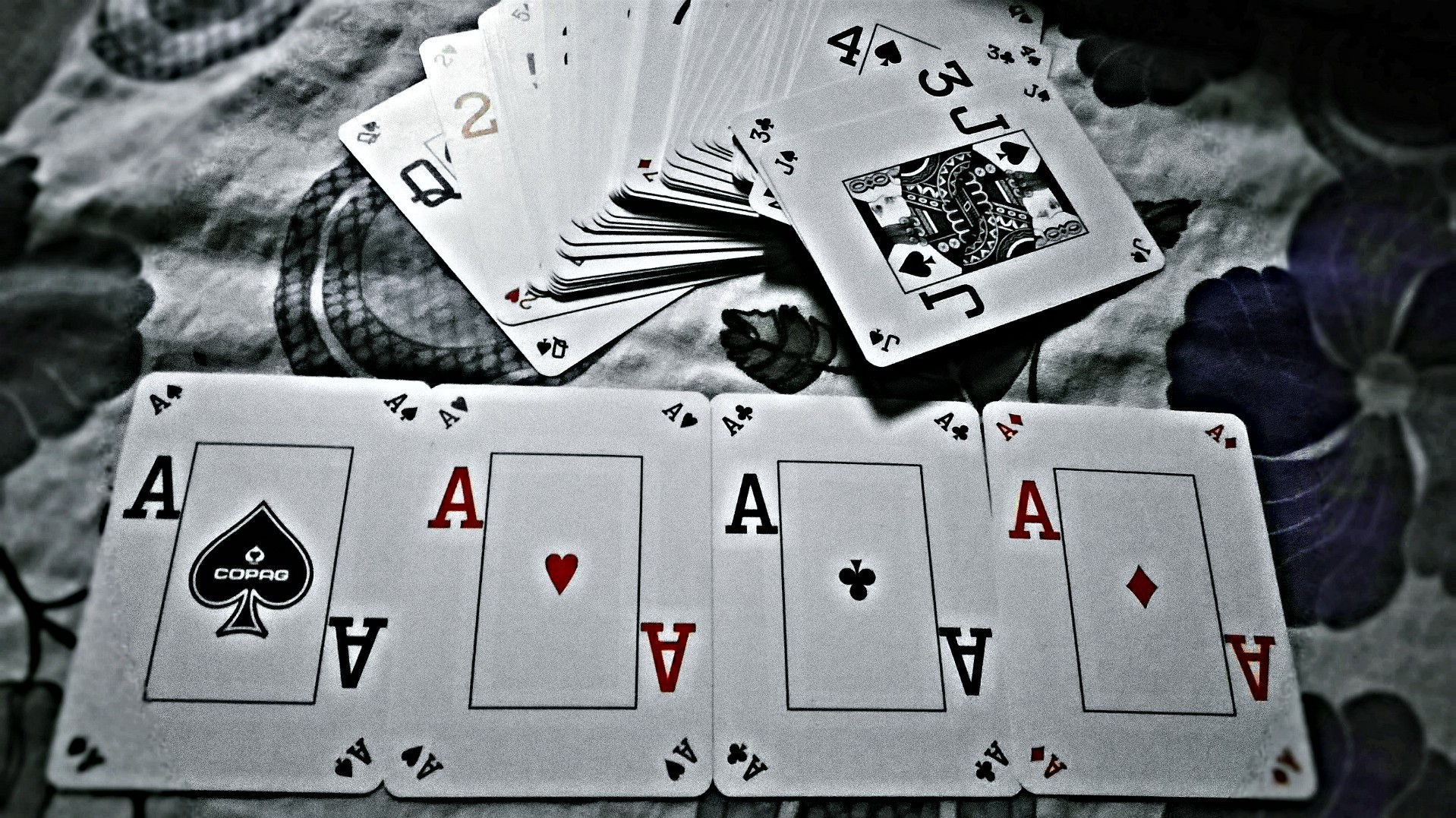
  • The Mystery of a Pack of Cards

    The Mystery of a Pack of Cards

    Stockcards 300x168

    There are 2 colors, one for day, one for night

    There are 4 suits for the 4 seasons

    There are 52 cards for the 52 weeks

    If you add all the pips on the cards the total equals 365

    These are strange pieces of cardboard…