
Libraries have spent the last two decades reinventing themselves. They are no longer just quiet rooms full of books; they are community hubs, maker spaces, and event venues competing for the attention of families who have endless other ways to spend an afternoon. For the librarians and program coordinators responsible for filling the calendar, the challenge is constant: how do you draw a crowd, serve a wide age range, and tie it all back to the library’s mission of curiosity and learning? Live magic and mentalism turn out to be a surprisingly perfect fit.
Library Program Guide: What’s Inside
Why Magic Belongs in a Library
At first glance, a magic show might seem like pure entertainment with no educational angle. Look closer and the connection is obvious. Magic is built on the same things libraries celebrate: wonder, critical thinking, and the joy of asking “how did that happen?” A well-crafted performance does not just amaze an audience; it invites them to question what they just saw and to think about perception, psychology, and problem-solving. That is curiosity in action, which is exactly what a library exists to spark.
Mentalism deepens that connection. A mentalism routine is essentially a live demonstration of how attention, memory, and suggestion work, which opens the door to conversations about how the mind can be fooled and why. For a library audience, that blend of astonishment and “let’s figure out why” is the sweet spot.
Programming for Every Age Group
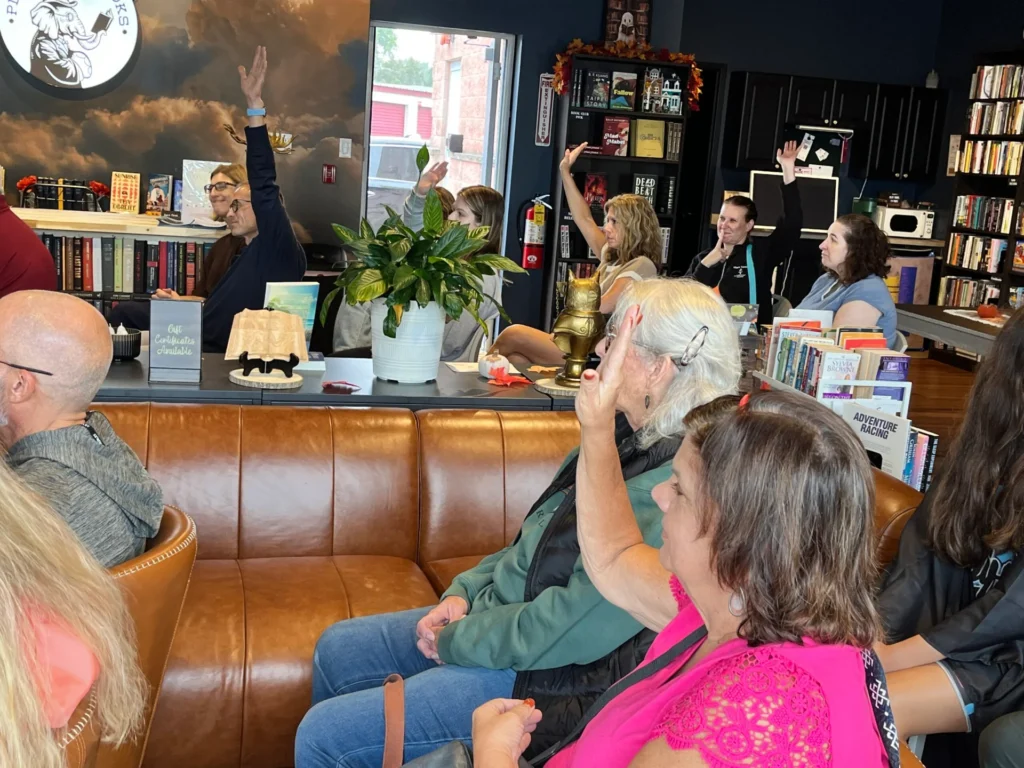
One of the hardest parts of library programming is the age spread. A single afternoon event might draw toddlers, school-age kids, teenagers, parents, and seniors. Few activities hold all of them at once. Interactive magic does, because the response operates on two levels: younger children delight in the visual impossibility, while older guests engage with the cleverness and the challenge of catching the method.
Summer Reading Kickoffs and Finales
A summer reading program needs bookend events that build excitement and reward participation. A magic show is a natural draw that fills the room and gives families a reason to show up and sign up.
Family Nights and School Breaks
Winter and spring breaks leave parents searching for free, enriching activities. A library magic event becomes a community anchor during those stretches, positioning the library as the place to be when school is out.
Teen and Tween Programs
Teens are notoriously hard to program for. Mentalism, with its puzzle-like quality and psychological angle, respects their intelligence and gives them something genuinely cool rather than something that feels aimed at little kids.
Tying the Performance to Literacy and Learning
The strongest library events do not exist in a vacuum; they connect back to books and learning. A performer can weave storytelling into the act, reference the history of magic and famous performers, or point young audiences toward books on magic, psychology, and puzzles available right there on the shelves. Suddenly a fun afternoon doubles as a gateway to the collection, and the library’s circulation numbers benefit alongside its attendance.
The same curiosity that magic ignites is what keeps people reading. For audiences intrigued by the difference between sleight of hand and mind-reading effects, this look at close-up magic versus mentalism is an accessible follow-up that turns wonder into further exploration.
Practical Considerations for Library Spaces
Libraries rarely have a theater. Fortunately, close-up magic and mentalism need almost no infrastructure: no stage, minimal or no amplification for smaller rooms, and very little setup. A performer can adapt to a meeting room, a children’s area, or a multipurpose space, and can scale the format from an intimate gathering to a larger seated audience. That flexibility makes budgeting and room-booking far simpler than with productions that demand technical support.
Accessibility is another strength. Because the entertainment is visual, interactive, and language-light, it works well for mixed audiences including English-language learners and guests with a range of abilities, which aligns with the inclusive mission most libraries hold dear.
Booking a Performer for Your Library in the Chicago Area
If your branch serves the western suburbs or greater Chicago, a local performer makes scheduling and coordination straightforward. You can learn more about interactive magic and mentalism programming and how an act is tailored to your audience, your space, and your program goals.
Measuring the Success of a Library Program
For library staff, a successful program is about more than a full room on the night. The lasting wins are new library card sign-ups, families who return for the next event, and patrons who discover a service or section they did not know existed. A magic and mentalism program creates a natural moment to mention upcoming events, summer reading challenges, or themed book displays while you have a captive and delighted audience. Tracking attendance, gathering a few quick comments, and noting which age groups turned out all help make the case for future programming budgets and show your board the real community value behind the event.
Making the Show Accessible to Everyone
A great library program welcomes every patron. A thoughtful performer keeps sightlines open so guests using wheelchairs or seated at the front have a clear view, speaks clearly for those with hearing difficulties, and chooses material that works across languages and abilities since so much of mentalism is visual and universal. Sharing any accessibility needs ahead of time lets the performance be adjusted so no one in your community feels left out. That inclusiveness reflects exactly what a public library stands for and makes the event something the whole neighborhood can enjoy together.
A Program Your Whole Community Will Talk About
When the show ends, the conversations are just beginning. Children leave asking how it was done, parents leave impressed that the library put on something this polished, and staff leave with a roomful of new faces who now associate the building with delight as much as with study. That reputation compounds over time. A library known for genuinely fun, surprising programming becomes a place families choose to spend an afternoon, and that is the kind of community goodwill no flyer can manufacture on its own.
Promoting the Event to Maximize Turnout
Even the best program needs an audience, and libraries have promotional channels most venues would envy. The key is to lead with the experience rather than the logistics.
Frame the event around wonder and curiosity in your newsletter, social posts, and in-branch signage. A line like “Discover how the mind can be fooled” or “An afternoon of impossible things” sparks more registrations than a flat “Magic Show, 2 p.m.” Pair the announcement with a tie-in book display so patrons connect the event to the collection before they even arrive.
Partner channels help, too. Local school newsletters, parent groups, and community calendars are eager for free, family-friendly programming, and a magic event is an easy yes for them to share. If your branch uses a registration system, capping seats and noting limited availability creates the gentle urgency that turns interest into a reserved spot.
After the event, a short follow-up matters. Sharing a photo recap and pointing attendees toward related books and your next program keeps the momentum going and turns a one-time crowd into repeat visitors who treat the library as their go-to source of discovery.
For a library, the right event does more than fill seats for an afternoon. It reminds the community that the library is where wonder lives, where questions are welcome, and where there is always something worth coming back for. Magic, of all things, makes that case beautifully.