
When I tell people I’m a mentalist, I usually get one of three reactions: a blank look, a question about the TV show, or a nervous laugh and “So you know what I’m thinking right now?”
That’s fair. Most people have never seen mentalism live, so the word gets filled in with guesses. After 25+ years as a magician and mentalist based in Oak Brook, I’ve heard most of them, at house parties in Naperville, country club events in Orland Park and ticketed shows at bookstores and bars around the south suburbs. Here are the eight myths I hear most, and what a mentalism show is really like, so you know exactly what you’re booking or buying a ticket for.
The short answer
A mentalist is a magician who performs with the mind instead of cards and coins. Guests think of a word, a name, a number or a place, and the mentalist reveals it, or turns out to have predicted it before the show began. It’s a live performance, not a supernatural gift: it isn’t a psychic reading, it isn’t hypnosis, and it plays best to teens and adults.
What’s Inside
Myth 1: “Mentalists Just Read Body Language”
For a lot of people, the only place they’ve heard the word is the CBS crime drama The Mentalist, where the hero reads suspects’ body language and cracks murder cases. Fun show. Not my job.
Reading a room is part of what I do. After this many years, you learn to spot who wants to play, who would rather watch and who is about to shout out the answer. But a mentalism show isn’t me quietly analyzing your guests. It’s a written, rehearsed performance with a beginning, a build and a finish. Body language can’t tell you which word someone silently picked from a book, and that’s the kind of moment a mentalism show is built on.
Myth 2: “Mentalists Claim to Be Psychic”
Some performers do bill themselves as psychics, which is where much of the confusion comes from. I don’t. As I said on WGN, I’m no more a real psychic than Tom Cruise is a fighter pilot. At heart, I’m an entertainer with a background in magic.
Being upfront about that makes the show more fun, not less. Your guests get to enjoy being fooled, and the best part of the night is often the “how did he do that?” debate on the drive home. If you’re comparing a psychic entertainer with a mentalist for an event, I break down the difference in psychic entertainer vs. mentalist.
Myth 3: “It’s Just Card Tricks With a Different Name”
Mentalism is a branch of magic, which is why I call myself a magician and mentalist. But it works with different material. Classic magic makes coins vanish and cards change. Mentalism works with what people think, choose and remember: a word, a name, a number, a drawing, a place that means something to them.
The props are ordinary on purpose: a notepad, a marker, a book, a prediction sealed in a box before anyone walks in. And because the magic happens in someone’s head instead of in my hands, the whole room can follow it, not just the few people standing closest. For a side-by-side comparison, see close-up magic vs. mentalism.
Myth 4: “The Volunteers Are Planted”
I hear this one a lot after shows, and the answer is built into the event itself.
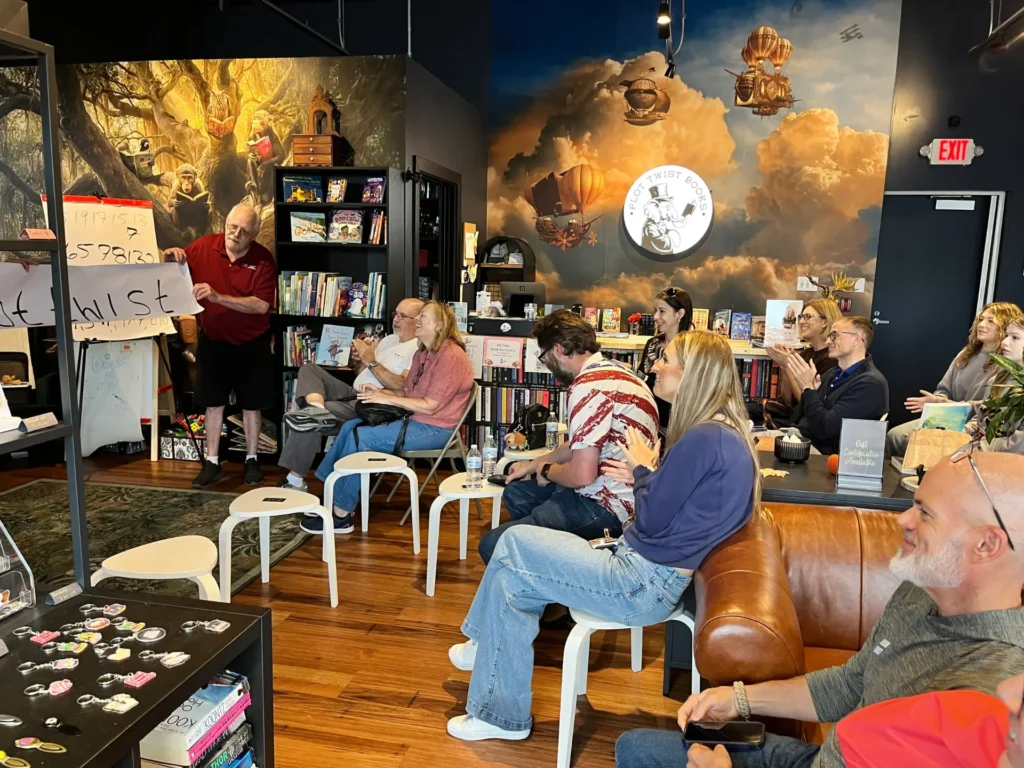
At a private party, the people who help me are your guests: your sister-in-law, your neighbor from down the street, the coworker who swears nobody can fool him. You invited them. You know them. I met them that night. At a company event, they’re your colleagues, and at my public shows, they’re whoever bought a ticket.
That’s a big reason mentalism works so well at private events. When the person on the spot is someone the whole room knows, everyone can see the reaction is real. I also pick people who look like they want to play, so nobody gets pulled up who would rather watch. If you’re hosting at home, here’s what to expect at an in-home mentalism show, step by step.
Myth 5: “It’s a Hypnosis Show”
Nobody gets put under, and nobody ends up clucking like a chicken. Hypnosis and mentalism get lumped together because both involve the mind, but my shows aren’t hypnosis shows.
Every volunteer stays wide awake, fully themselves and free to say no at any point. They also remember every second of it, which is the whole idea. The best moments are the ones guests retell at work on Monday or at the next family party.
Myth 6: “Mentalism Is Dark, Spooky or Too Serious”
TV specials tend to play mentalism with dramatic music and long stares into the camera. In a living room in Hinsdale or a banquet room in Oak Brook, it plays very differently. The big moments usually land as a gasp followed by a laugh, often from the volunteer first.
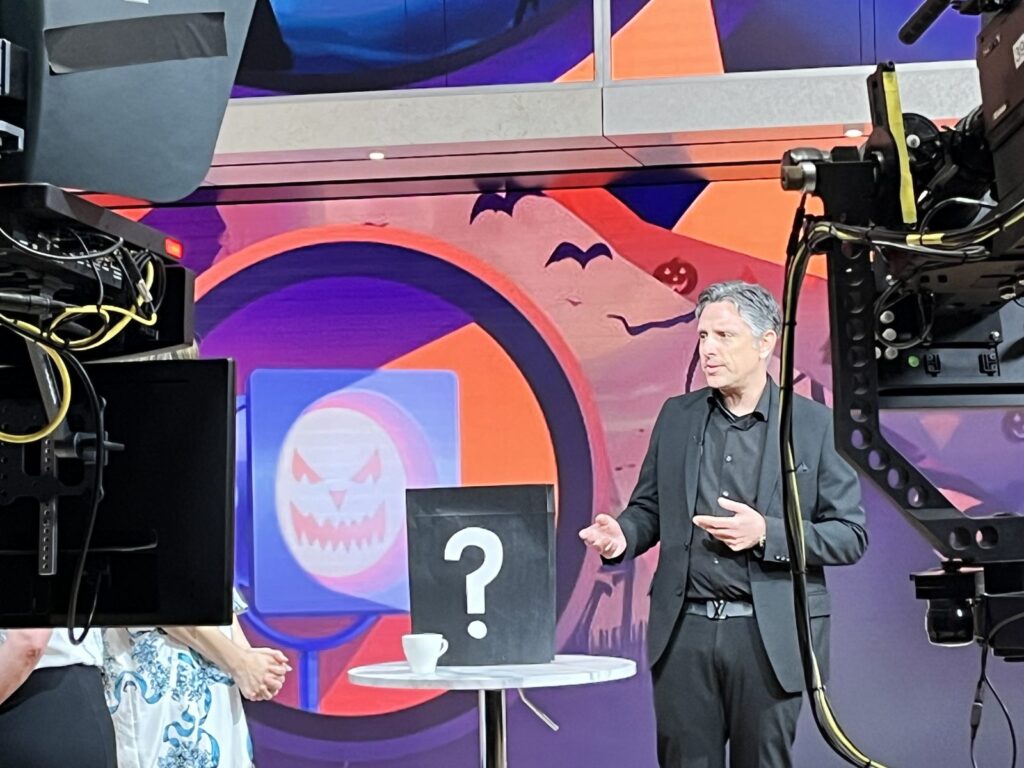
My shows are clean, light and built for people who came to have a good time, whether that’s a milestone birthday or a company holiday party. To see the tone for yourself, check out my live segment on WGN’s Spotlight Chicago, where I pulled a word out of host Sarah Jindra’s mind during a book test.
Myth 7: “Magic Shows Are for Kids’ Parties”
Magic often gets filed under kids’ birthday entertainment, but mentalism is the opposite. My show is designed for adults and works best with guests 13 and up, because it runs on things grown-ups find fascinating: memory, choices, coincidence and that strange feeling that someone knows what you’re thinking.
I perform at adult birthdays, anniversaries, company parties, weddings and ticketed shows at bars, wine bars and bookstores. Teens make great volunteers, and when younger kids are in the room at a family gathering, everything stays warm and appropriate for them too.
Myth 8: “Every Mentalism Show Is the Same”
A mentalism show can’t run exactly the same way twice, because it’s built on what your guests think, say and choose. Different people make different choices, and the show bends around them.
I also shape the set to the occasion and the room. A 50th anniversary calls for a different feel than a sales team’s awards night. For private parties, I usually recommend the stand-up show, where everyone sees the same moments together and it becomes the story of the night. When guests are mingling for a while, like during a cocktail hour, strolling mentalism moves through the crowd instead. Here’s how to choose between strolling and a stand-up show.
See a Mentalism Show Before You Book One
The quickest way to clear up any of these myths is to watch one happen. I perform public shows at bookstores, bars and wine bars around the south and southwest suburbs. Check the upcoming shows calendar for dates and tickets. If you’re planning an event, it’s a great way to see how I work a room before you book.
Frequently Asked Questions
Is a mentalist the same as a magician?
A mentalist is a type of magician. Every mentalist is a magician, but not every magician performs mentalism. Traditional magic works with objects like cards and coins, while mentalism works with thoughts, choices and predictions. My shows are built around mentalism, which is why you’ll see me billed as a magician and mentalist.
Is mentalism real?
The reactions are real and so is the skill. The powers aren’t. What you’re watching is years of practice, a working knowledge of how people think and make choices, and a show built to make the impossible feel possible. I won’t ever claim to be psychic, and I won’t ever explain how it’s done. That’s half the fun.
How do I book a mentalist near Oak Brook or Naperville?
I’m based in Oak Brook and perform throughout the western suburbs, including Naperville and Hinsdale. Send your date, location and approximate guest count through the contact page, and I’ll recommend the format that fits. More booking details are in the FAQ.
Curious What a Mentalist Would Do at Your Event?
Tell me about the occasion, the venue and roughly how many guests you’re expecting, and I’ll suggest what would work best for the room. Check availability for your date or call 847-773-5306.