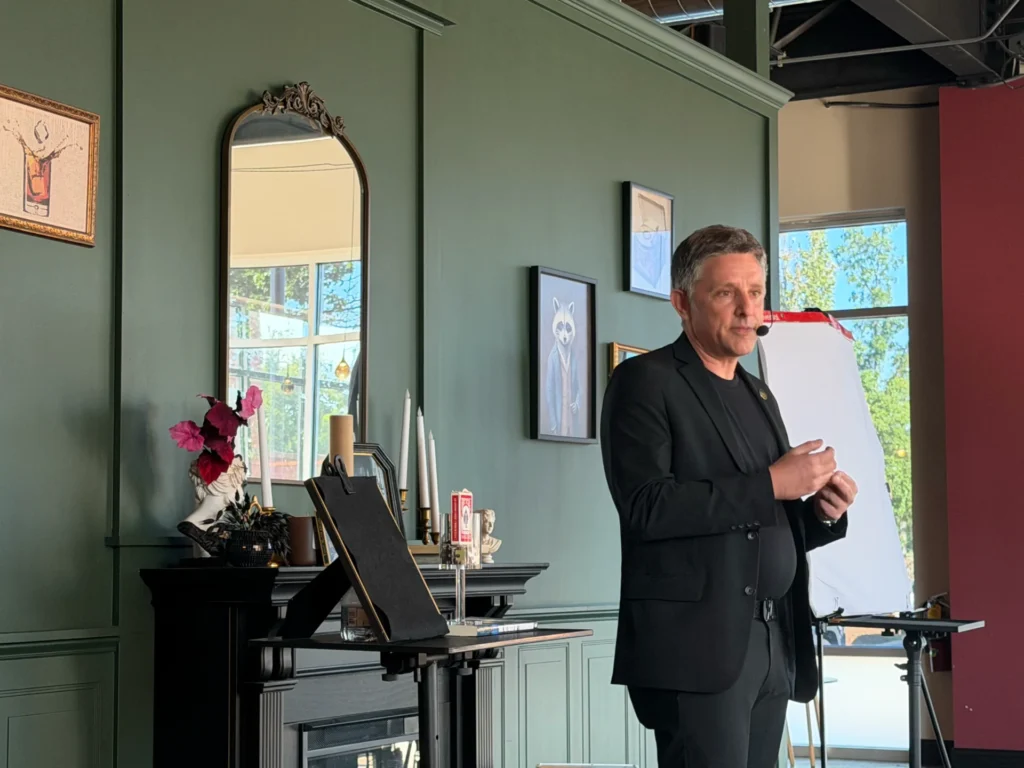
A banquet manager magician partnership is quickly becoming one of the most effective, low-cost sales tools available to restaurants and banquet halls in Chicago’s western suburbs. Ask any banquet manager in Naperville or Oak Brook what actually keeps them up at night, and the answer rarely has much to do with the food. It is the calendar. A Tuesday evening with three empty tables in the dining room.
A banquet space booked solid every Saturday in June but silent every Tuesday in February. A private dining room that only fills up during the December holiday rush and sits quiet the other eleven months of the year. Restaurants and banquet halls across Chicago’s western suburbs rarely struggle because the food is wrong or the room isn’t attractive. More often, they struggle to give people a reason to book a night that isn’t already a wedding, an anniversary, or a holiday party. That gap, the space between a beautiful room and a full calendar, is exactly what a growing number of banquet managers are closing by partnering with a professional magician and mentalist.
Banquet Manager Magician Partnerships: What’s Inside
Why Entertainment Belongs on the Sales Side of the Ledger
Most operators still file live entertainment under overhead, a nice-to-have that gets cut the moment margins tighten. That framing misses what a skilled close-up magician or mentalist actually does inside a restaurant or banquet hall: it sells. A performer working the room during cocktail hour, moving table to table during a banquet, or anchoring a slow Thursday night isn’t decoration. It’s a mechanism that keeps guests in their seats longer, gives servers a natural opening for another round or dessert, and gives the entire evening a story guests repeat to coworkers and friends the next morning.
When a banquet manager starts tracking entertainment the way they track a marketing spend, comparing the cost of a night’s performance against the additional covers, the added spend per table, and the bookings that come in afterward because someone saw it on social media, the math looks very different than “entertainment is a luxury line item.” It starts to look like one of the cheapest, highest-return additions on the entire sales sheet.
Filling the Rooms That Sit Empty Between Big Events
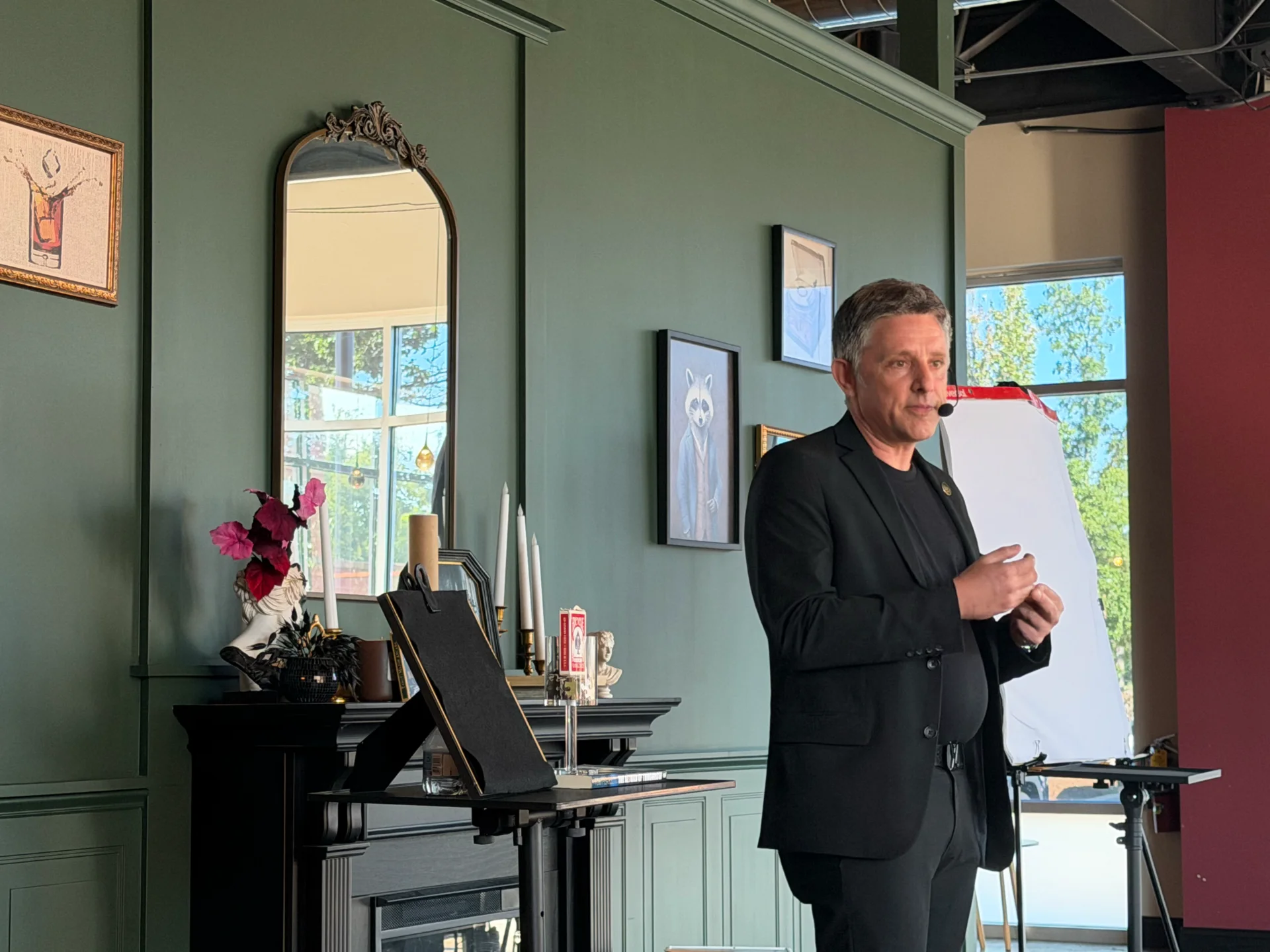
Every banquet manager in the region knows the rhythm. Weekend nights fill up fast, especially heading into a season like fall, when venues across the western suburbs book out months in advance. But Tuesday, Wednesday, and Thursday nights, along with the long stretch of January through March, are where a banquet hall’s real profitability actually gets decided. A magician residency, even something as simple as a recurring monthly “Magic Night” in the bar or private dining room, gives a restaurant a built-in reason for people to choose that Tuesday over staying home.
It costs far less than traditional advertising, it’s easy to promote on social media and through an email list, and unlike a one-off discount promotion, it builds a returning audience instead of training guests to wait for the next deal. Guests come back the following month specifically because they had a good time watching a mentalist read minds over dessert, not because the price was lower.
Weddings, Private Parties, and Banquet Packages Worth Booking Early
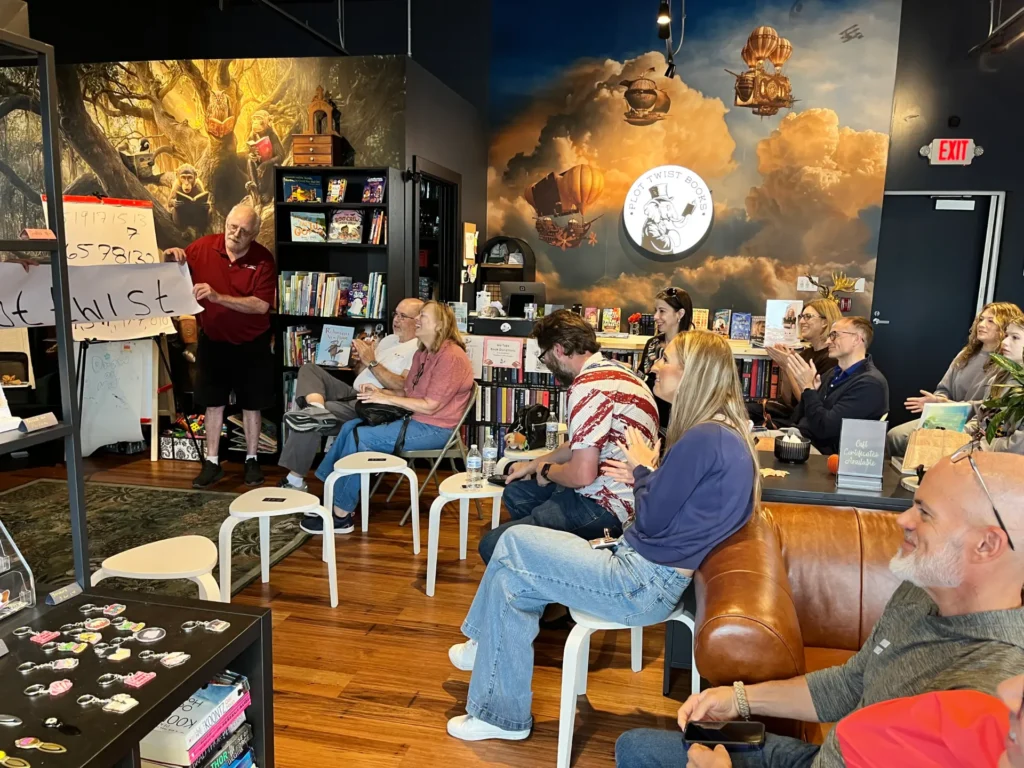
Banquet halls don’t live on weekday traffic alone. Weekend banquet business, wedding receptions and rehearsal dinners, milestone birthdays, and private celebrations still makes up the bulk of most venues’ revenue, and every one of those bookings is competing against a dozen nearly identical rooms in Naperville, Oak Brook, and the surrounding suburbs. A magician built into the package, whether roaming during cocktail hour or anchoring a short after-dinner set, is one of the easiest ways to differentiate a banquet package without discounting it.
It works particularly well for birthday celebrations and other private parties, where the host is looking for a story to tell rather than just a menu, and it gives a banquet sales team something concrete and memorable to describe on a tour of the room, instead of just square footage and chair covers.
Turning a Banquet Package Into a Reason to Book, Not Just a Room to Rent
Banquet managers sell packages every day: corporate holiday parties, retirement send-offs, anniversary dinners, client appreciation nights, and every package sounds roughly the same on paper, a room rental, a plated dinner, an open bar, maybe a DJ. Adding corporate event entertainment built specifically around close-up magic and mentalism gives a sales team an answer to the question every prospective client eventually asks: what actually makes booking with you different from the place down the road?
That difference shows up again at renewal time too. A company that hosted its holiday party in a room where a mentalist correctly read half the executive team’s minds is far more likely to book that same room again next year, and to mention it to other departments or partner companies planning their own events.
Tableside Magic and the Social Sharing Effect
There’s a reason tableside magic performs so well on social media: it’s built for it. A mentalist correctly naming a guest’s childhood pet, or a magician making a borrowed ring vanish from a closed fist, produces the kind of genuine, unscripted reaction that guests film without being asked. Those videos get tagged with the restaurant’s name, posted to Stories, and seen by hundreds of the guest’s friends and followers, all without the venue spending a dollar on paid advertising.
For a banquet manager trying to stretch a limited marketing budget, that organic reach is difficult to replicate through any other single addition to a night. A new dessert special might get a few likes on the restaurant’s own page. A genuine, jaw-dropped reaction to a piece of mentalism gets shared, screenshotted, and sent to group chats.

Raising Average Check and Table Time Without Touching the Menu
A performer moving through the dining room or working a banquet floor naturally extends how long guests stay at the table, and longer table time is one of the most reliable ways to increase spend per guest without raising a single menu price. Tables that are entertained order another round, linger over dessert, and are less likely to rush toward the door the moment the check arrives.
For a banquet manager weighing the return on a modest entertainment fee, that extra fifteen or twenty minutes at the table, multiplied across a full room on a busy Friday or Saturday night, is often where the numbers start to justify the investment entirely on their own, before any of the marketing or repeat-booking benefits even factor in.
A Simple Way to Think About the Return
The easiest way for a banquet manager to evaluate this kind of partnership is to treat it the same way any other line item on a P&L gets evaluated: what did it cost, and what did it bring back. A single night of tableside entertainment typically costs less than a modest print ad or a week of boosted social posts, yet it directly touches every guest in the room rather than a scattered audience that may never walk through the door.
Add up the extra round of drinks ordered because a table stayed fifteen minutes longer, the dessert ordered because the mood in the room shifted, and the handful of guests who booked a return visit specifically because of the entertainment, and a single night’s fee is often recovered before the second seating even wraps up.
The harder benefit to put a number on, but arguably the more valuable one, is what happens over the following weeks. A guest who posts a video of a mentalist reading their mind, a corporate client who mentions the show to three other departments, or a bride who books her rehearsal dinner at the same venue because she remembered the magician from a friend’s party the year before: these are the compounding returns that turn one good night into a steady stream of future bookings.
The Corporate Calendar: Client Dinners, Holiday Parties, and Repeat Bookings
Corporate business is where a magician partnership tends to pay off fastest for a banquet manager. Companies throughout Oak Brook’s corporate corridor and Naperville’s business districts are constantly hosting client dinners, employee recognition nights, and holiday parties, and the venue that already has a built-in answer for entertainment has a real edge in that conversation.
It removes one more vendor a corporate planner has to source on their own, and a strong performance at one company’s holiday party is exactly the kind of moment that gets that same company calling back the following year, along with referrals to other businesses in their network. The same forces that make corporate mentalism such a strong fit for a single company event apply just as directly to a banquet hall trying to become the default answer for corporate bookings across the area.
How a Banquet Manager Magician Partnership Actually Works
Most banquet manager and magician partnerships take one of two shapes. The first is an on-call arrangement, where the venue books the performer for specific banquets, holiday parties, or private events as they come in, billing the cost into that client’s package. The second is a recurring residency, a weekly or monthly night where the magician works the bar or dining room on a set schedule, paid directly by the venue as a standing marketing investment rather than passed through to a single client.
Rates vary depending on the format, the length of the performance, and whether the night involves roaming close-up work or a longer seated set, and it helps to go in with a realistic sense of typical pricing before the first conversation with a performer. Many venues start with a single trial night before committing to anything recurring, which keeps the risk low while the banquet manager and performer figure out what actually works for that specific room and crowd.
What to Look for in an Entertainment Partner
Not every magician is a fit for a working restaurant floor. A banquet manager should look for a performer who is comfortable moving table to table without disrupting service, reading a room full of strangers rather than working from a fixed script, and adjusting the length and style of a set on the fly depending on how the night is going.
Experience performing specifically in restaurants, bars, and banquet spaces matters more here than experience on a theater stage, since the skill set involved is genuinely different. It is worth working from a short checklist of questions to ask before booking, confirming recent client feedback, and nailing down logistics like space needed, sound requirements, and how the performer works around service timing before committing to anything beyond a single trial night.
Starting Small: A Pilot Night Before a Full Rollout
A banquet manager doesn’t need to commit to a full residency to test whether this works for their room. A single trial night, promoted lightly on social media and to the restaurant’s email list, is usually enough to see the effect on covers, table time, and guest reaction firsthand.
From there, the decision to expand into a recurring night, build entertainment into banquet packages, or reserve it for higher-value corporate bookings becomes a much easier call, backed by real numbers from an actual night in that specific room rather than a guess. Reaching out to compare formats and get a straightforward quote costs nothing and is usually the fastest way to find out whether the fit is right.
Naperville, Oak Brook, and the Suburbs Beyond
The exact version of this partnership looks a little different depending on where a venue sits. A banquet hall along Naperville’s Riverwalk corridor tends to lean on weekend wedding and rehearsal dinner traffic, where entertainment built into the package helps justify a premium room rate. A restaurant or event space in Oak Brook, surrounded by corporate campuses, sees a heavier concentration of client dinners and company holiday parties, where a recurring entertainment partner becomes part of the pitch to corporate planners.
Venues in Hinsdale, Burr Ridge, Downers Grove, Elmhurst, Wheaton, and Lisle see their own mix of private family celebrations, community fundraisers, and smaller corporate gatherings, and the same underlying principle holds across every one of these markets: a night guests remember and talk about is worth more to a banquet calendar than a night that simply got through service without complaints.
Frequently Asked Questions
Does a magician actually work in a full-service restaurant, not just a formal banquet hall?
Yes. Close-up and roaming magic is built for exactly this environment. A skilled performer works around servers, moves between tables during natural lulls in service, and adjusts pacing depending on how busy the floor is, which is very different from a stage show that needs the whole room’s attention at once.
How much does it cost to add a magician to a restaurant or banquet night?
Pricing depends on the length of the performance, whether it’s roaming or a seated set, and how often it happens. Reviewing a general pricing guide before reaching out gives a realistic starting point, and most performers are happy to build a quote around a specific night, room, and guest count.
Should the venue pay for entertainment, or should it be billed to the client booking the banquet?
Both models are common. Recurring nights meant to build general foot traffic are usually paid by the venue as a marketing expense, while entertainment added to a specific private event, wedding, or corporate banquet is typically billed into that client’s package.
How long should a performance run during a busy banquet?
It depends on the event, but many banquet managers start with a focused cocktail-hour set of thirty to forty-five minutes, which adds energy to the room without competing with dinner service, speeches, or a program.
Will guests actually mind a performer coming to their table during dinner?
In practice, it’s the opposite. A skilled performer reads the table before approaching, keeps interactions brief when a table is deep in conversation, and moves on quickly if the timing isn’t right. Most guests welcome a short, genuinely surprising moment in the middle of a meal.
Does adding entertainment change how servers and banquet staff need to work that night?
Only slightly. A good performer works around service rather than against it, timing table visits between courses and stepping back the moment food arrives or a server needs the space. Most banquet and restaurant staff adjust to a recurring performer within the first night or two.
What is the easiest way to start if a venue has never done this before?
Book a single trial night rather than a full commitment. It’s the simplest way to see how guests respond, how the performer works with staff and the room, and whether it makes sense to expand into a recurring feature or standard banquet add-on.
Does this work for smaller, independent restaurants, or only large banquet halls?
It works for both, though the format usually changes. Smaller restaurants tend to favor a recurring bar or dining room night on a slower weeknight, while larger banquet halls more often build entertainment directly into private event and corporate packages.
The Room Is Only Half the Sale
A beautiful banquet room and a strong menu get a booking in the door. What brings that client back, and what gets their friends and coworkers calling next, is the night itself. For banquet managers across Naperville, Oak Brook, and the surrounding suburbs looking for a straightforward way to fill slow nights, strengthen banquet packages, and give guests something worth talking about, a banquet manager magician partnership costs nothing to explore and often changes the entire calculation.