If you run a small business, you already know that attention is the hardest thing to buy and the easiest thing to lose. Ads get scrolled past, cold emails get deleted, and even great products get ignored if nobody sticks around long enough to hear about them. That is exactly why a growing number of small business owners are hiring a corporate mentalist or magician, not for a kid’s birthday party, but as a serious, revenue-focused sales and marketing tool for trade shows, client dinners, sales kickoffs, and VIP events. Done well, it is one of the highest-impact, lowest-cost lines in a marketing budget.
Mentalist or Magician for Your Business: What’s Inside
This Isn’t Kids’ Party Entertainment. It’s a Business Growth Tool
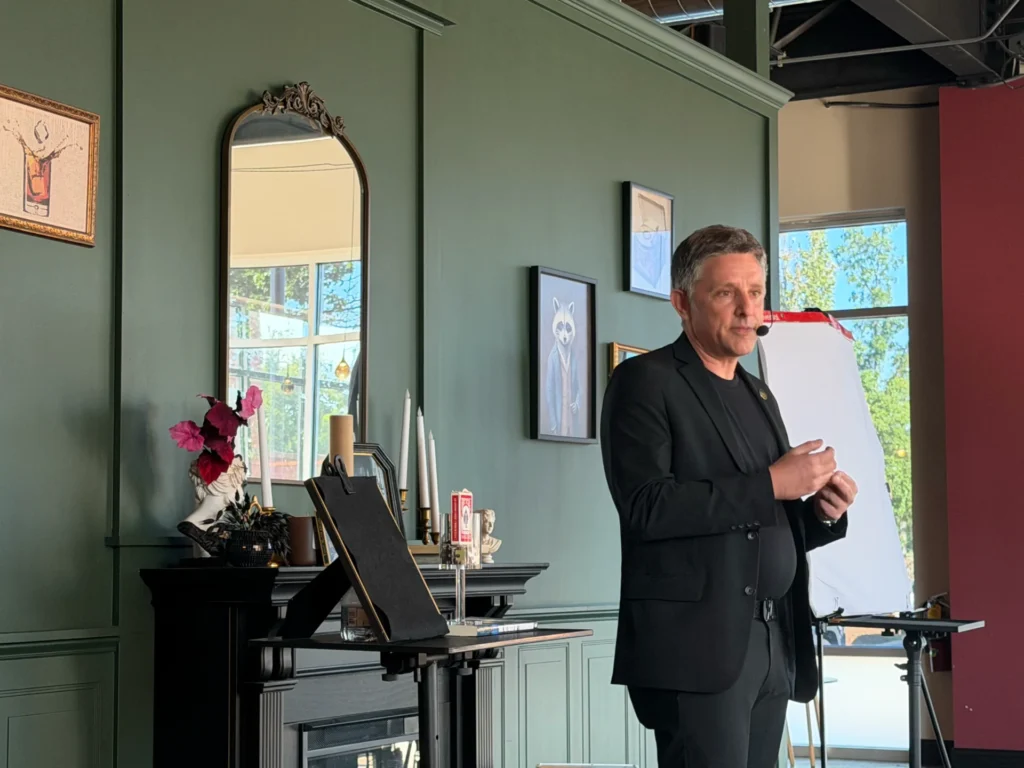
When most people hear the words “magician” or “mentalist,” they picture balloon animals and card tricks at a child’s birthday party. A corporate mentalist or magician is a completely different act, built for boardrooms, ballrooms, trade show floors, and private dining rooms. The performance is sophisticated, conversational, and often built directly around your product, your brand story, or the psychology of decision-making.
Instead of pulling a rabbit out of a hat, a corporate performer might read a prospect’s mind about the exact number on the invoice they were dreading, or predict a client’s decision before they have made it. That kind of moment does not just entertain adults, it makes your business the thing everyone is talking about on the drive home.
The booking process looks different too. A children’s entertainer is usually hired directly by a parent for an hour of games and balloon animals, while a corporate mentalist or magician is booked through an event planner, a marketing team, or a business owner with a specific outcome in mind, whether that is warming up a trade show floor or closing out a fiscal year on a high note. That distinction matters when you are searching for talent, because the skills, references, and pricing structure for corporate work are simply not the same as what you would expect from a birthday party entertainer.
Why Entertainment Belongs in Your Sales Strategy
Sales has always been about trust, attention, and memorability, and entertainment is one of the fastest ways to earn all three. A prospect who laughs with you, gets amazed by you, or gets pulled into a shared experience with you is far more likely to remember your name than one who sat through another slide deck. Small businesses cannot outspend national brands on advertising, but they can absolutely out-experience them. A live mentalist or magician turns a routine event into a story your guests tell their coworkers, their spouses, and their own clients, which means your marketing keeps working long after the event is over.
There is also a practical, unglamorous reason this works: people do business with people they like, and shared amazement is a shortcut to liking someone. A well-run close-up mentalism experience during a cocktail hour breaks the ice far faster than small talk about the weather or traffic, which means your sales team spends less time warming up a room and more time actually building relationships that turn into revenue.
Picture a hundred-person sales kickoff for a regional distribution company. Normally the agenda is a run of slide decks and a keynote, and by the afternoon session attention has faded. Now picture that same room ten minutes after a mentalist has just described, in detail, the exact vacation one attendee is secretly planning. Suddenly everyone is leaning forward, whispering theories to each other, and fully present for whatever comes next, including the sales targets leadership is about to unveil. That shift in energy is the entire point, and it is very difficult to manufacture with a PowerPoint slide alone.
The Psychology Behind Why
There is a second psychological effect worth understanding: the spotlight moment. When a mentalist singles someone out and demonstrates something that feels impossible, that person briefly becomes the center of attention in a flattering, low-stakes way. Guests remember how a room made them feel long after they forget what was actually said in a pitch, and a well-run mentalism segment hands every attendee a small chance to feel that spotlight, which is part of why the goodwill spreads so easily across an entire audience rather than staying limited to whoever was called up.
Mentalism Converts Prospects Into Customers
Mentalism is the performance art of appearing to read minds, predict choices, and influence decisions, and it works because it mirrors exactly what a great salesperson already does: listen closely, notice small cues, and make someone feel understood. When a mentalist “reads” a room full of prospects, those prospects experience a small, safe version of feeling truly seen, and that feeling creates warmth toward whoever brought the experience into the room, which is you and your business. Good sales conversations rely on the same psychological building blocks: rapport, curiosity, and a sense that the other person already gets what you need.
That overlap is not a coincidence, and it is well documented in the study of mentalism as a performance art, which blends psychology, suggestion, and showmanship. Borrowing even a little of that skill set for a sales event gives your team a memorable head start on the trust-building that normally takes months of follow-up calls.
7 Ways a Mentalist or Magician Can Directly Grow Your Sales
Here are seven real, practical settings where a corporate mentalist or magician has a direct line to more leads, more retention, and more closed deals.
1. Trade Show Booths That Actually Stop Foot Traffic
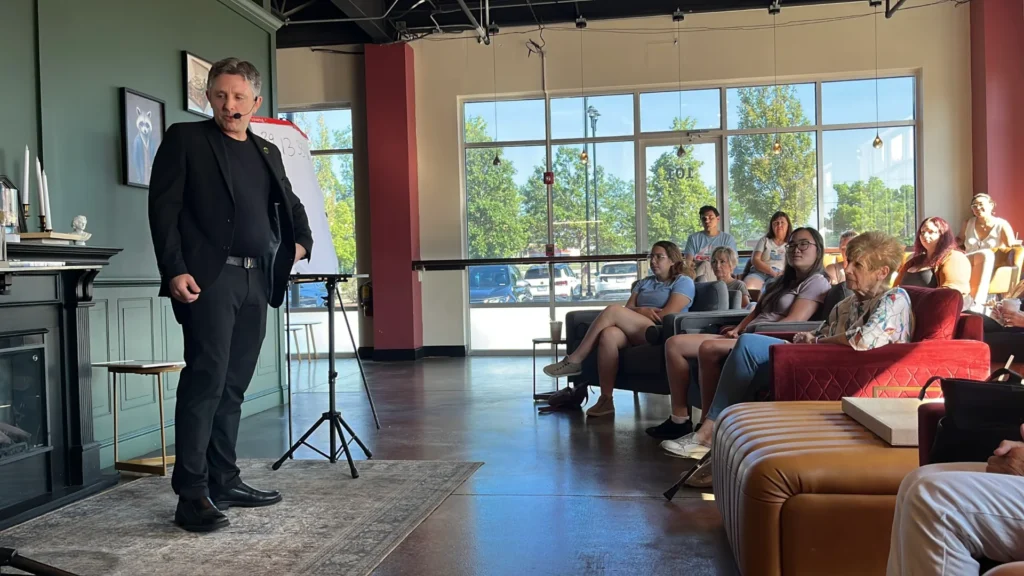
Trade show aisles are full of businesses saying the same things in the same booths with the same giveaways. A five-minute close-up mentalism performance built around your product draws a crowd, and a crowd draws more crowd. Attendees stop, watch, laugh, and stay long enough for your team to actually pitch instead of chasing people down the aisle, turning a quiet booth into the busiest one on the floor.
2. Client Appreciation Dinners That Build Retention
Keeping an existing client is far cheaper than winning a new one, and a client appreciation dinner is one of the simplest ways to protect that relationship. Table-side mentalism during the meal gives every guest a personal, one-on-one moment with the entertainer, which makes a room full of clients feel individually valued instead of herded through another vendor event. It is a small touch that pays off in renewed contracts and referrals.
3. Sales Kickoffs and Incentive Events That Energize Your Team
A once-a-year sales kickoff can either feel like a highlight or a chore, depending on what happens between the slides. Booking a mentalist to open or close the event gives your team a jolt of energy, reinforces the message that leadership invests in making these events worthwhile, and gives reps a shared, fun memory to bond over before they head back out into the field to hit their numbers.
4. Product Launches That Generate Buzz and Press
Launching a new product or service is a moment that deserves more than a press release nobody reads. A magician can build an entire routine around the reveal itself, making the announcement feel like an event instead of an update. Guests who might have skimmed an email instead watch, gasp, and pull out their phones to record it, turning your launch into shareable content without paying for a production crew.
5. VIP “Close the Deal” Dinners
Big deals rarely close over a spreadsheet. They close over dinner, once the numbers are settled and the relationship is what is really being decided. Bringing a mentalist to a small, high-stakes VIP dinner gives the evening a centerpiece that keeps everyone relaxed and engaged, so the conversation can drift naturally back to business once the ice is thoroughly broken.
6. Networking Mixers and Referral-Building Events
Most networking events feel like a room full of business cards nobody wants to hand over first. A roaming close-up magician or mentalist gives strangers an easy, shared experience to talk about, which naturally opens the door to introductions. Because the entertainer moves table to table or group to group, they effectively work the room for you, warming up conversations your team can then step into.
7. Corporate Holiday Parties as a Cross-Sell Opportunity
The holiday party is one of the few nights all year when clients, vendors, and staff are all in the same room off the clock. That makes it a quietly powerful cross-sell and referral opportunity, especially when the entertainment gives guests something to talk about besides work. If you want a deeper breakdown of how to plan one of these nights well, this guide on hiring a mentalist for your next company event walks through the details.
The ROI of Experiential Marketing for Small Businesses
Marketers call this category of live, in-person engagement experiential marketing, and it has grown into its own discipline precisely because people remember experiences longer than they remember advertisements. For a small business, the appeal is simple: an experiential event usually costs far less than a sustained ad campaign, and it produces something an ad cannot, which is a room full of people who had a genuine, positive emotional reaction to your brand while standing right in front of you.
Measuring the return on an event like this does not require complicated software. Track how many new contacts you collected, how many follow-up meetings got booked in the following two weeks, and whether closed deals mention the event when asked how they heard about you. Compared side by side with the cost of a comparable digital ad push, most small business owners find the entertainment line item earns its keep well before the next event rolls around.

What to Look for When Hiring a Corporate Mentalist or Magician
Not every talented performer is right for a business audience. A few things separate a corporate-ready mentalist or magician from someone better suited to a birthday party.
- Real corporate credits: ask for references from businesses, not just party planners.
- Professional presentation: appropriate dress, punctuality, and the ability to work a microphone.
- Customization: a routine built around your product, your industry, or your company’s inside jokes lands far better than a generic script.
- Clean, PG-13 material: sharp and clever, never off-color, so it is safe in front of clients and executives alike.
- Flexibility: comfortable performing strolling close-up magic, a stage show, or a hybrid depending on your event format.
Questions to Ask Before You Book
A short conversation before you book will save you from an awkward surprise on the night of the event. Bring these questions to your first call.
- Have you performed at corporate or business events before, and can I speak with a past client?
- Can the routine be tailored to reference our company, product, or industry?
- What are your audio, lighting, and space requirements for our venue?
- How long is the performance, and can it be split across a strolling portion and a stage portion?
- What is included in your fee, and what would count as an additional cost?
Budgets for corporate mentalism and magic vary widely based on group size, performance length, and travel, but most small businesses find that a strolling close-up show or a short stage set fits comfortably alongside the rest of an event budget, especially once it is compared to the cost of a comparable ad campaign or a venue upgrade. Ask for a clear, itemized quote up front so there are no surprises about travel fees, overtime, or add-ons like custom branding.
Making the Investment Pay Off: Tips to Maximize Sales Impact
Booking the entertainment is only half the strategy. A little planning around the performance turns a fun night into a measurable sales driver.
- Brief the performer on your top products, your ideal customer, and any inside references worth weaving into the act.
- Time the show for a natural lull, such as between dinner and dessert, so it resets the room’s energy instead of competing with conversation.
- Capture short video clips of the reactions for use on social media and in future sales decks.
- Have a simple way to collect contact information from guests while everyone is still smiling, such as a raffle or sign-up sheet.
- Follow up within 48 hours while the shared memory is still fresh in your prospect’s mind.
For more on events that keep customers coming back, read how live entertainment builds loyalty and buzz at small business events. Exhibiting at an expo? See 7 proven ways to pull traffic to your trade show booth.
Frequently Asked Questions
Is hiring a magician or mentalist really appropriate for a professional business event?
Yes, when the performer specializes in corporate work rather than children’s parties. The material, pacing, and length are all adjusted for an adult, business-minded audience, and a good performer will happily share references from other companies to prove it.
How many people can a corporate mentalist or magician entertain at once?
A strolling close-up format works well for intimate groups moving through a cocktail hour, while a stage or theater-style presentation can hold the attention of several hundred people at once. Many events combine both formats in a single evening.
Will the material be appropriate for a mixed audience of clients and executives?
A professional corporate performer keeps material clever and sharp without ever turning off-color, so it plays well in front of clients, executives, and staff of any age in the room.
What is the difference between hiring a magician and a mentalist for a sales event?
A magician’s routines tend to center on visual, object-based effects, while a mentalist focuses on reading people, predicting choices, and creating moments that feel personal to the guest involved. Many corporate performers, including those who blend both skill sets, will tailor the mix based on your goals for the event.
How far in advance should we book for a sales kickoff or holiday party?
Popular dates around the holidays and major sales kickoffs can book up months in advance, so it is worth reaching out as soon as you have a date in mind, even if the rest of the event details are still coming together.
For customer appreciation nights, grand openings and client events, the corporate event entertainment page explains the performance options.
The Bottom Line for Small Business Owners
Hiring a mentalist or magician is not about novelty, it is about buying attention, trust, and a shared story in a market where all three are in short supply. Whether it is a trade show booth, a client dinner, or a sales kickoff, the right performer turns a routine business event into the reason a prospect remembers your name, picks up your call, and eventually signs on the dotted line. None of this requires a big production or a national ad budget, just one well-chosen night and a performer who understands your goals as clearly as they understand a deck of cards.
If you are ready to explore what this could look like for your next event, get in touch to talk through your goals, your guest list, and the right format for your business.