Wine bar entertainment has quietly become one of the highest-return moves a small, intimate venue can make, and nowhere is that truer than in the Chicago suburbs. A wine bar already has everything a mentalist or close-up magician needs: guests seated close together, a room built for conversation rather than noise, a crowd that came out specifically to slow down and stay a while, and a bar tab that grows the longer people linger.
Add a performer who can read the room, and a quiet Wednesday turns into the night people talk about at work the next morning. For wine bars in Burr Ridge, Oak Brook, and Tinley Park, hiring a magician and mentalist is less about novelty and more about filling seats on the nights that decide whether a month is profitable.
Wine Bar Entertainment Guide: What’s Inside
Why a Wine Bar Is the Best Possible Room for Magic and Mentalism
Most live entertainment fights the room it is booked into. A band drowns out conversation. A DJ turns a tasting room into a club. A comedian needs everyone facing the same direction and quiet at the same time. Close-up magic and mentalism do the opposite: they scale down to a single table and up to a full room without changing the character of the venue.
A wine bar seats people in tight clusters of two, four, or six. That is exactly the geometry that close-up work is designed for. A card signed and vanished from six inches away, or a mentalist naming the word a guest only thought of, lands harder at that distance than it ever could from a stage. There is no sound system to load in, no stage to build, and no set change that interrupts service. The performer works between courses and pours, and the room keeps its own personality all night. If you are still weighing the two styles, this breakdown of magic versus mentalism explains where each one shines.
The Real Benefits of Booking a Mentalist and Magician for a Wine Bar
1. It fills the nights that are actually costing you money
Fridays and Saturdays take care of themselves. Tuesday through Thursday, plus that long dead stretch from January through March, is where a wine bar’s margin is really won or lost. A recurring monthly magic and mentalism night gives regulars a reason to pick your room over their own couch. Unlike a discount or a happy-hour promotion, it builds a returning audience instead of training guests to wait for the next deal.
2. Guests stay longer, and longer tables spend more
The single most reliable way to raise average check without touching a price on the menu is to extend table time. A performer moving through the room adds fifteen to thirty minutes to the average visit, and those minutes turn into a second glass, a cheese board, or a dessert pour. Across a full room, that alone often covers the entertainment fee before the night is over. The same math that makes this work for restaurants and banquet halls is broken down in detail in this piece on how banquet managers use a magician to boost sales.
3. It generates social content you did not have to make
A mentalist correctly naming a guest’s first concert, or a coin bending in someone’s own hand, produces the kind of unscripted reaction people film without being asked. Those clips get posted with your venue tagged and reach hundreds of people who have never walked through your door. No paid campaign delivers that kind of organic reach for the price of one night of entertainment.
4. It sells private bookings, buyouts, and wine tastings
Once guests see close-up magic in your space, a meaningful number of them start imagining it at their own event. Birthdays, anniversaries, engagement parties, and corporate client dinners all become easier to sell when the venue already has entertainment built in. That makes a wine bar the front door to private party bookings and corporate event entertainment rather than just a room for rent.
5. It differentiates you without discounting
Every wine bar in the western and southwest suburbs has a good list, a decent board, and warm lighting. Very few have a night that guests describe to other people. Entertainment is one of the only differentiators that does not require cutting price or margin.
6. It works for solo guests and small groups, not just big parties
Wine bars get a lot of twos, and a lot of people who came in alone after work. A roaming performer gives those guests a reason to stay for another glass and a reason to come back, which is very hard to do with any other kind of programming.
7. It creates a low-risk reason to build your email and text list
A monthly show gives you something worth signing up for. Guests who would ignore a generic newsletter will happily join a list that tells them when the next magic night is scheduled.
8. It is genuinely inexpensive compared to the alternatives
A single performer costs a fraction of a band, needs no production budget, and touches every guest in the room instead of a scattered audience that may never visit. If you want a realistic starting range before you make a call, this pricing guide lays out what typical bookings actually run.
9. It makes staff nights better, too
The same show works for a staff appreciation night, a vendor and distributor event, or a wine club member evening. Venues that run employee appreciation programs often find the entertainment budget pays for itself twice.
What a Wine Bar Magic and Mentalism Night Actually Looks Like
There are three formats that consistently work in a wine bar, and they can be mixed depending on the size of the room.
Roaming close-up magic. The performer moves table to table for ninety seconds to five minutes at a time, reading each table before approaching and stepping aside the moment food or a pour arrives. Best for a full room, a busy weekend, or a first trial night when you do not want to change the flow of service at all.
A short seated set. Twenty-five to forty minutes of mentalism performed for the whole room from one spot. This is the format that turns a night into an event you can promote, ticket, or bundle with a flight or a tasting.
A private buyout or wine tasting. A host reserves the room, the bar builds a flight, and the performance anchors the evening. This is the highest-revenue version and the one most wine bars end up leaning into once they have run a public night or two. You can see how past shows have been structured on the previous shows page, and what is currently scheduled on the upcoming shows page.
Wine Bar Entertainment in Burr Ridge
Burr Ridge is a small, affluent village where the dining scene is intimate by design. Rooms here are not enormous, which is precisely why close-up work outperforms anything requiring a stage. A Burr Ridge wine bar tends to draw a loyal neighborhood base plus overflow from Hinsdale and Willowbrook, and that regular crowd is the ideal audience for a recurring monthly night: they come back, they bring friends the second time, and they book their own parties in the same room.
Because the village sits right off I-55 and County Line Road, a Burr Ridge show also pulls easily from Hinsdale and the surrounding Route 83 corridor. Full details on local availability are on the Burr Ridge magician and mentalist page.
Wine Bar Entertainment in Oak Brook
Oak Brook is a different animal entirely. With one of the densest corporate corridors in Illinois and the shopping traffic around the Oakbrook Center area, wine bars here serve two crowds at once: after-work professionals during the week and shoppers and couples on weekends. That mix makes Oak Brook the strongest market of the three for private corporate bookings, client appreciation nights, team dinners, and holiday parties held in a wine bar rather than a hotel ballroom.
A mentalist is an especially natural fit for that audience, because the performance rewards attention and intelligence instead of asking executives to act silly. There is more on why this lands so well with local companies in this post on corporate mentalism for Oak Brook company events, and booking information on the Oak Brook magician and mentalist page.
Wine Bar Entertainment in Tinley Park
Tinley Park brings the southwest suburbs into the picture, with a walkable downtown around the Oak Park Avenue Metra station and a large, community-minded population that turns out for local events. Wine bars here live on neighborhood regulars, milestone celebrations, and group nights out, which makes a recurring show an easy sell and a monthly tradition even easier. Tinley Park also sits close enough to Orland Park, Mokena, Frankfort, and Oak Forest that a single well-promoted night draws from several towns at once. Coverage for the area is detailed on the Orland Park and Tinley Park magician and mentalist page.
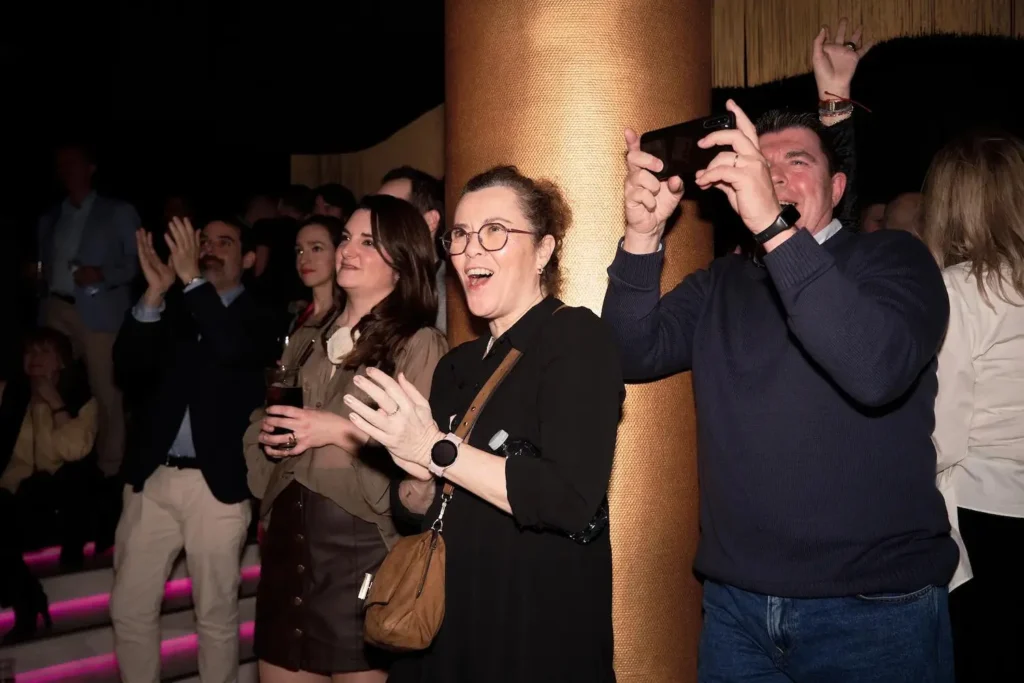
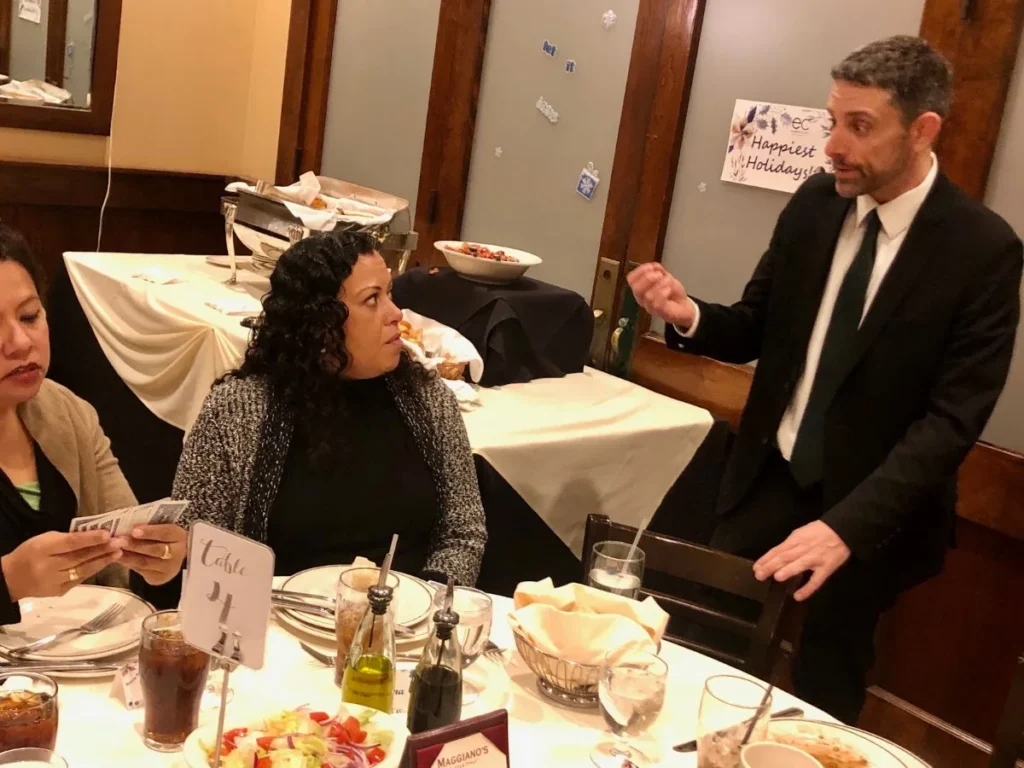
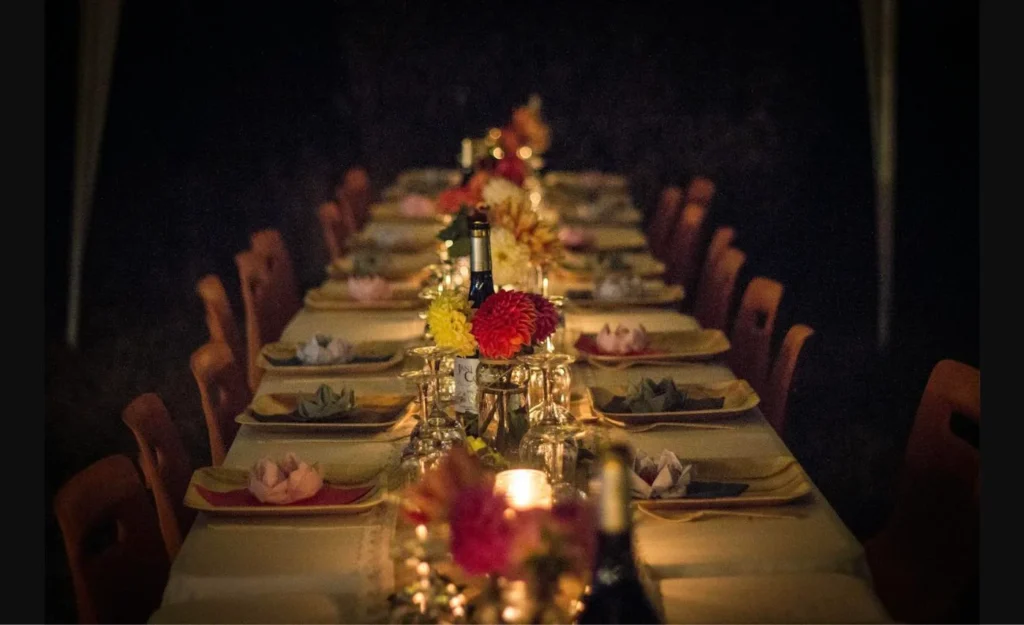
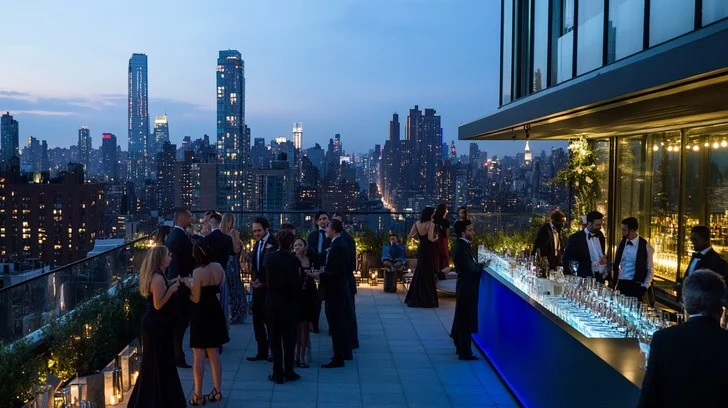
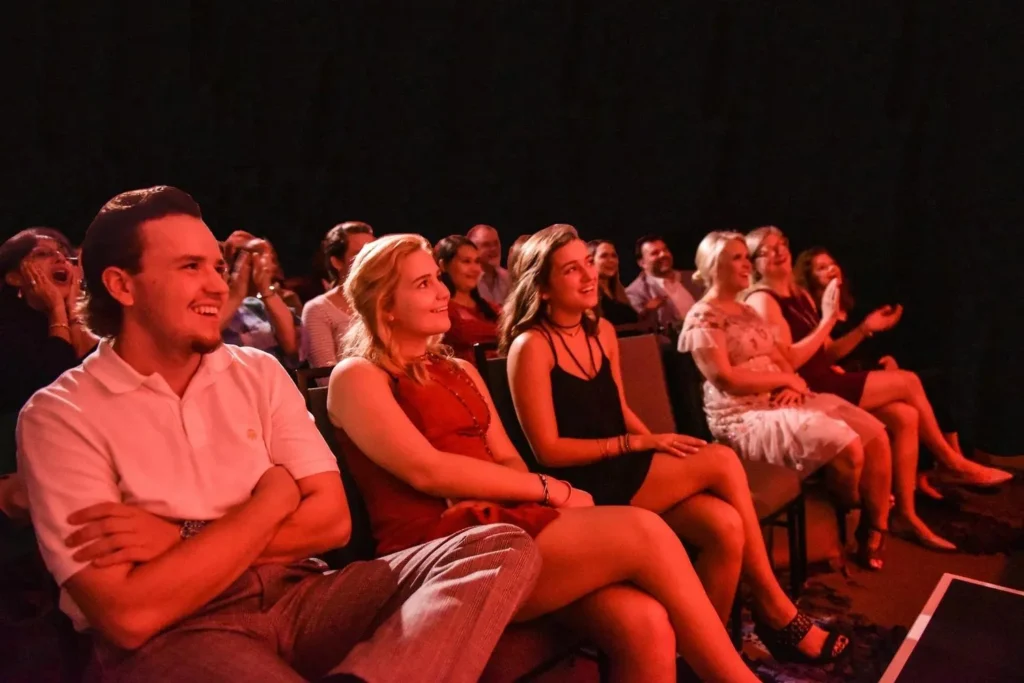
Gallery: Magic and Mentalism in Bars, Wine Rooms, and Private Events
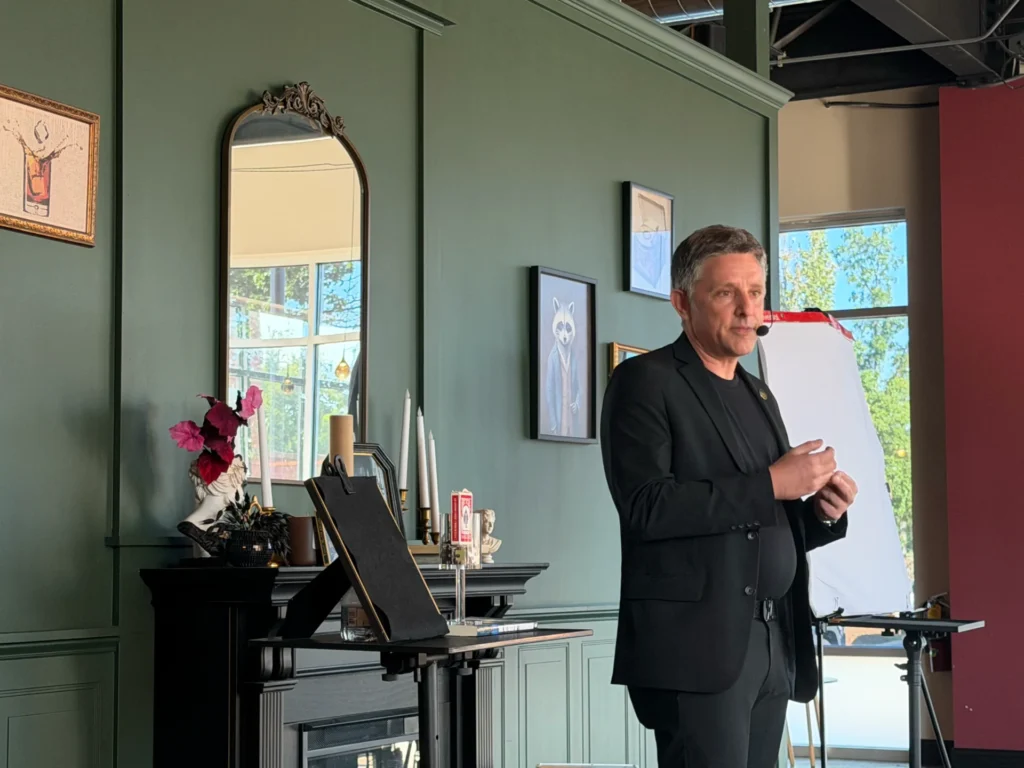
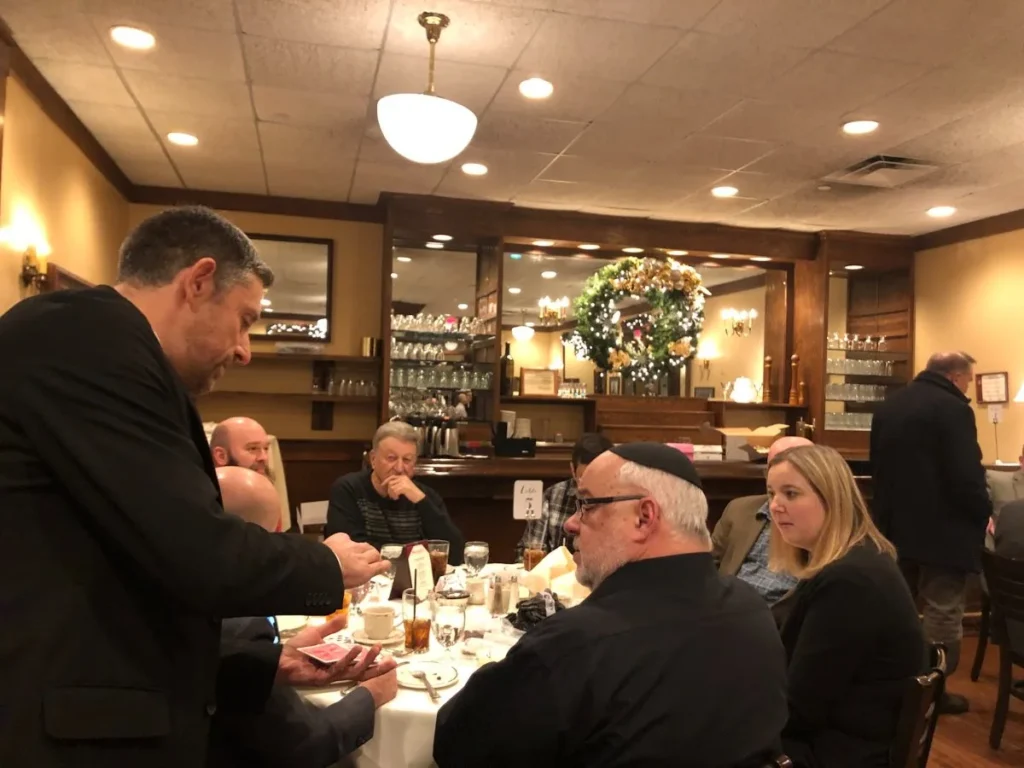
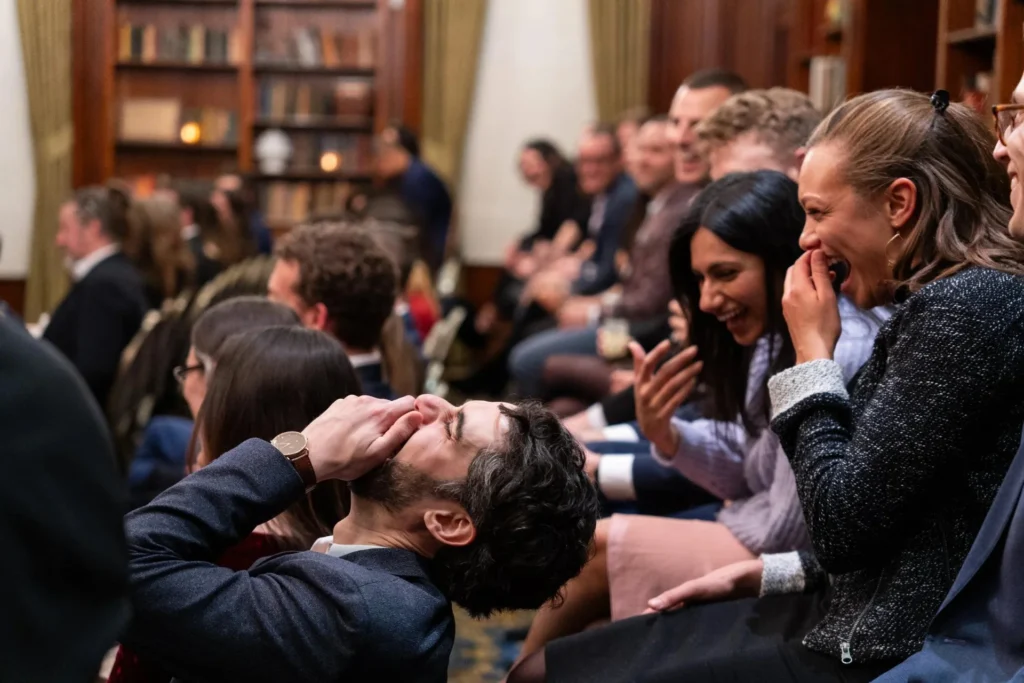
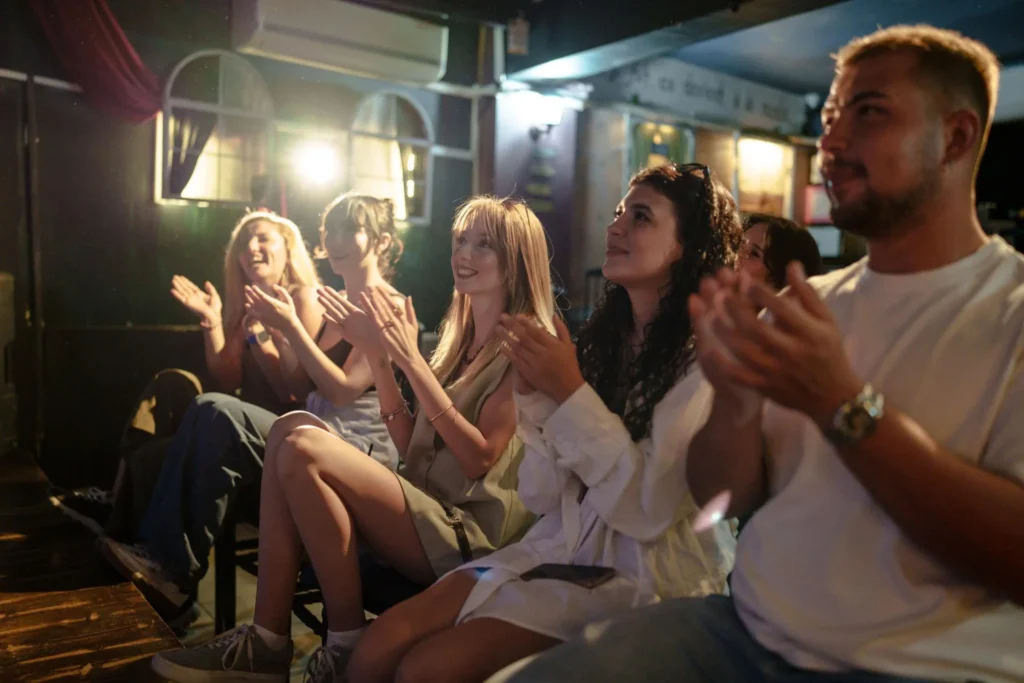
A few moments from close-up magic and mentalism performances in wine bars, restaurants, private homes, and corporate events across the Chicago suburbs.
How to Promote a Wine Bar Magic Night So It Actually Sells Out
The show itself is the easy part. Most venues that see disappointing turnout on a first night simply did not tell anyone. A few things consistently move the needle: post the date at least three weeks out, put a printed table tent or poster in the room a full two weeks ahead, send it to your email and text list twice rather than once, create a Facebook or Eventbrite event so the algorithm has something to spread, and ask the performer for photos and short video clips to use in your own posts.
Limited seating helps more than it hurts. A wine bar that announces twenty-five seats for a mentalism night sells them faster than one that says “come by, no cover.” Scarcity is the entire mechanism. Venues that have run this playbook for bookstore and bar events see the same pattern hold in a tasting room.
What to Look For When Hiring a Performer for a Wine Bar
Not every magician belongs on a working bar floor. Look for someone who has performed specifically in bars, restaurants, and tasting rooms rather than mainly on a theater stage, because the skills genuinely differ. The performer should be comfortable working around servers, reading a table before approaching, keeping a set short when the room is deep in conversation, and adapting on the fly. Ask about liability coverage, sound needs, space requirements, and how they handle a table that would rather be left alone. This checklist of questions to ask before hiring covers the rest, and the FAQ page answers the logistics questions that come up most often.
Other local businesses see the same effect. Read how live entertainment builds loyalty and buzz at small business events.
Frequently Asked Questions About Wine Bar Entertainment
Is a wine bar too small for a magician or mentalist?
Almost never. Close-up magic and mentalism were built for small rooms. A performer can work a space with fifteen guests and no stage as effectively as a banquet hall with two hundred, and small rooms usually produce stronger reactions because everyone sees everything up close.
Will a performance interrupt service or annoy guests who came to talk?
A professional reads each table first. If a couple is mid-conversation, they get a brief hello and nothing more. If a group of six is looking around for something to do, they get five minutes. Roaming work is designed to move with the rhythm of service instead of against it.
How long should a wine bar show run?
For roaming close-up work, two hours covers most rooms comfortably. For a seated set, twenty-five to forty minutes is the sweet spot: long enough to be a real show, short enough that guests order another glass afterward instead of heading for the door.
Should the wine bar pay, or should guests pay a cover?
Both models work. Recurring nights meant to build weekday traffic are usually paid by the venue as a marketing expense. Ticketed or limited-seat shows often split the cost through a cover or a bundled flight, and private buyouts are billed to the host.
What does it cost to book a mentalist and magician for a wine bar?
It depends on format, length, and whether the night is roaming or seated. The 2026 pricing guide gives realistic ranges, and a specific quote is usually a five-minute conversation.
Do you travel to Burr Ridge, Oak Brook, and Tinley Park?
Yes. All three are regularly served, along with Hinsdale, Naperville, Elmhurst, Wheaton, Glen Ellyn, Orland Park, Schaumburg, Rosemont, and the rest of the Chicago metro. See the full list of service areas on the about page.
Can the same show work for a private party or wedding at the venue?
Absolutely, and that is often where the relationship goes next. The same performance format adapts to adult birthday parties, private parties, and wedding cocktail hours held in the same room.
How far in advance should a wine bar book?
Four to six weeks is comfortable for a public night, mostly because promotion needs the runway. October through December fills earliest, so holiday-season dates are worth locking in by late summer.
Pour a Glass and Give People a Reason to Stay
A great list and a warm room will get guests through the door once. What brings them back, and what gets them telling other people, is the night itself. For wine bars in Burr Ridge, Oak Brook, and Tinley Park looking to fill weeknights, raise average check, and turn regulars into hosts who book their own private events, adding a mentalist and magician is one of the lowest-risk, highest-return experiments available. Start with one night, promote it properly, and see what the room does. Get in touch to talk through formats and dates, or browse more ideas on the blog.